
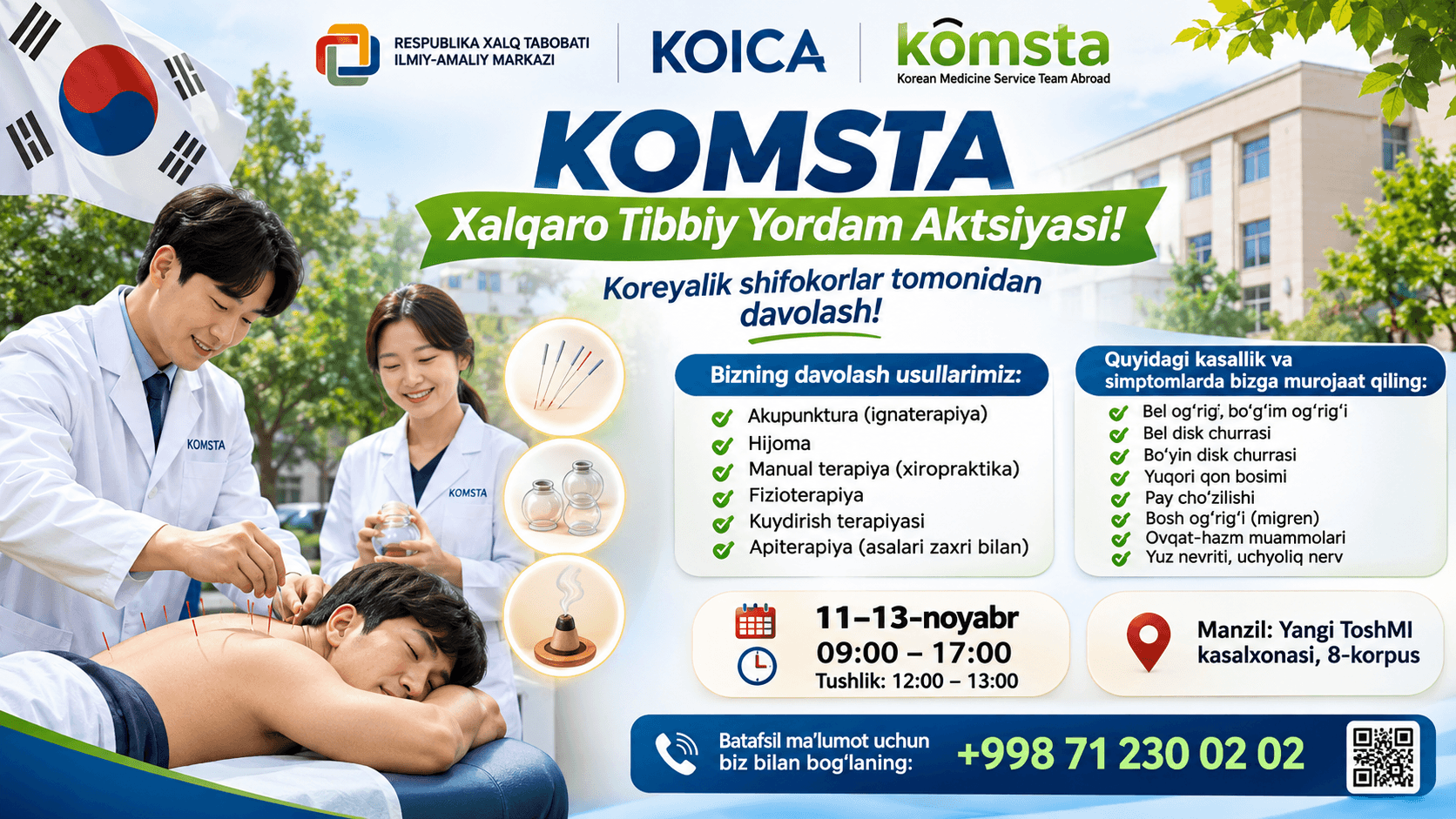
KOMSTA — Xalqaro Tibbiy Yordam Aksiyasi
11–13-noyabr kunlari koreyalik shifokorlar tomonidan xalqaro tibbiy yordam aksiyasi tashkil etiladi. Akupunktura, hijoma, manual terapiya, fizioterapiya va boshqa davolash usullari taqdim etiladi.
Devotion, hope and trust
11–13-noyabr kunlari koreyalik shifokorlar tomonidan xalqaro tibbiy yordam aksiyasi tashkil etiladi. Akupunktura, hijoma, manual terapiya, fizioterapiya va boshqa davolash usullari taqdim etiladi.
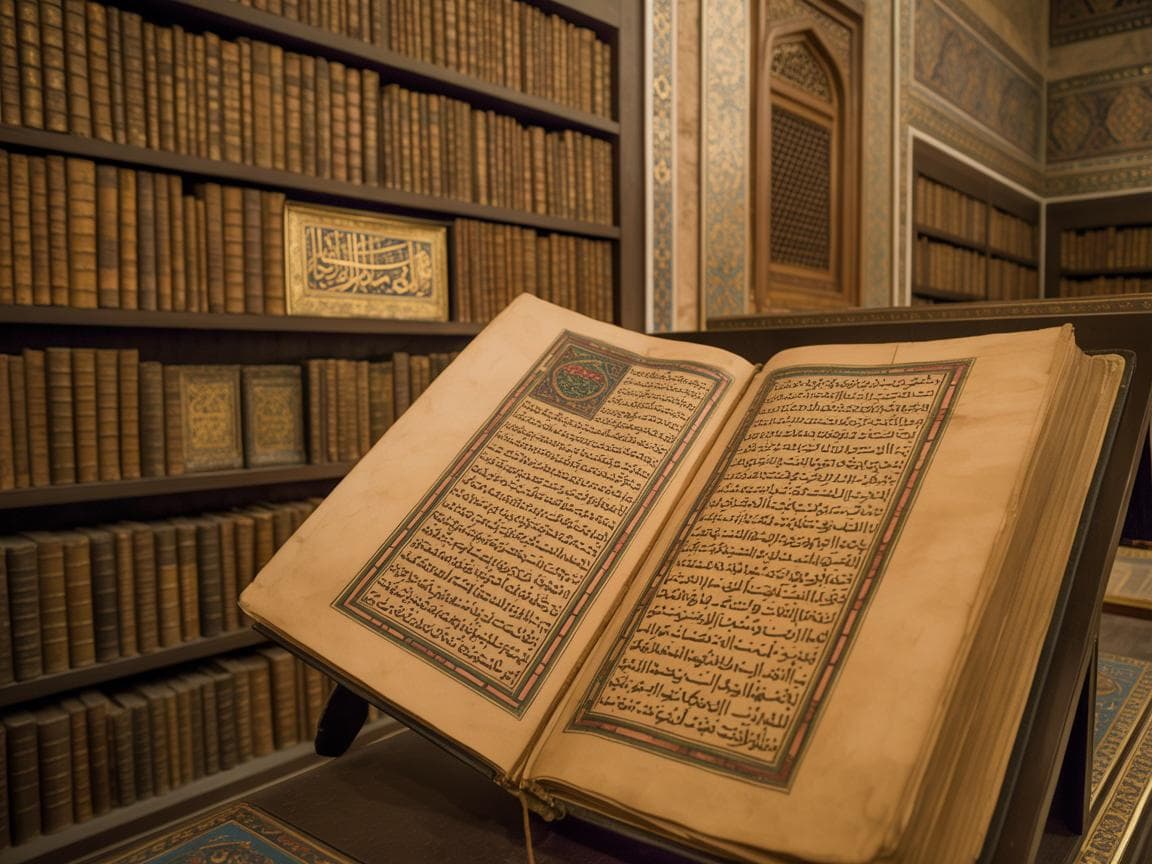
The centre announces courses and workshops on the fundamentals of Eastern medicine, designed for both beginners and advanced participants.
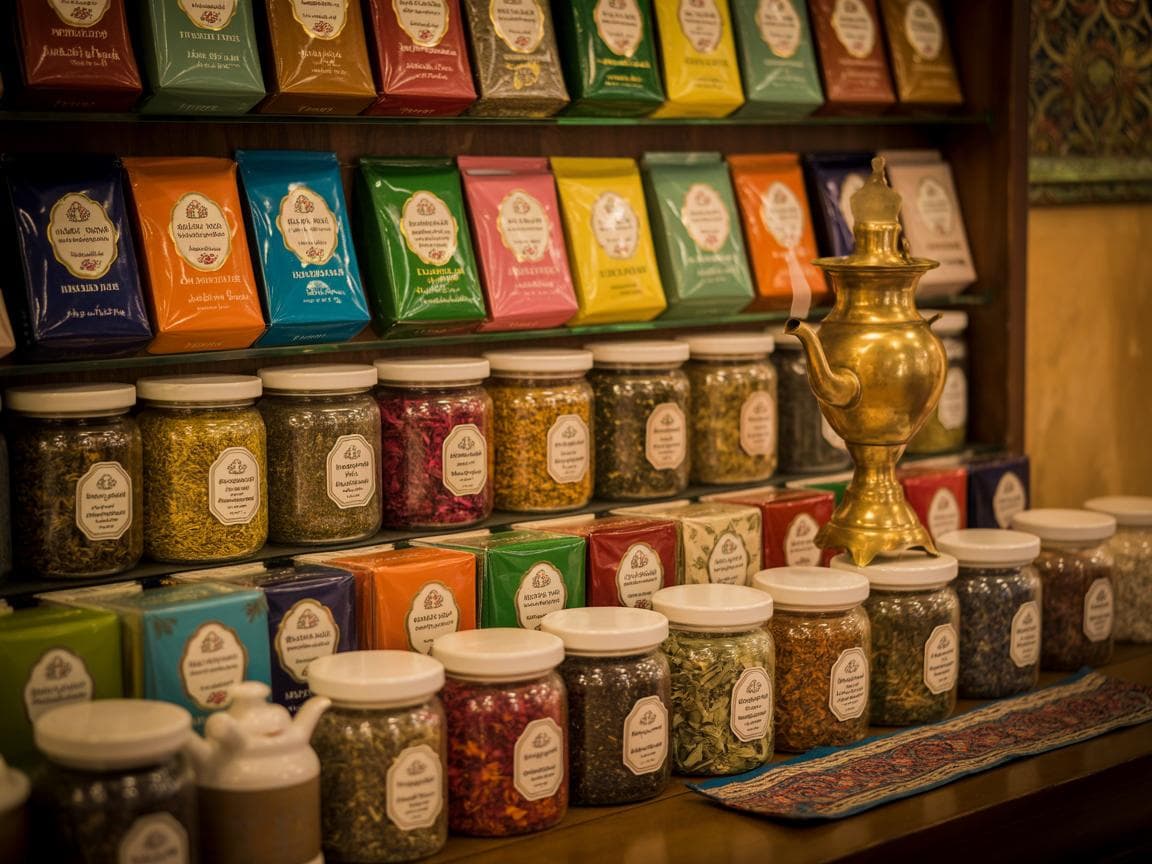
A new phytobar has opened at the centre, where you can enjoy signature tea blends made from Uzbek herbs and wellness drinks.
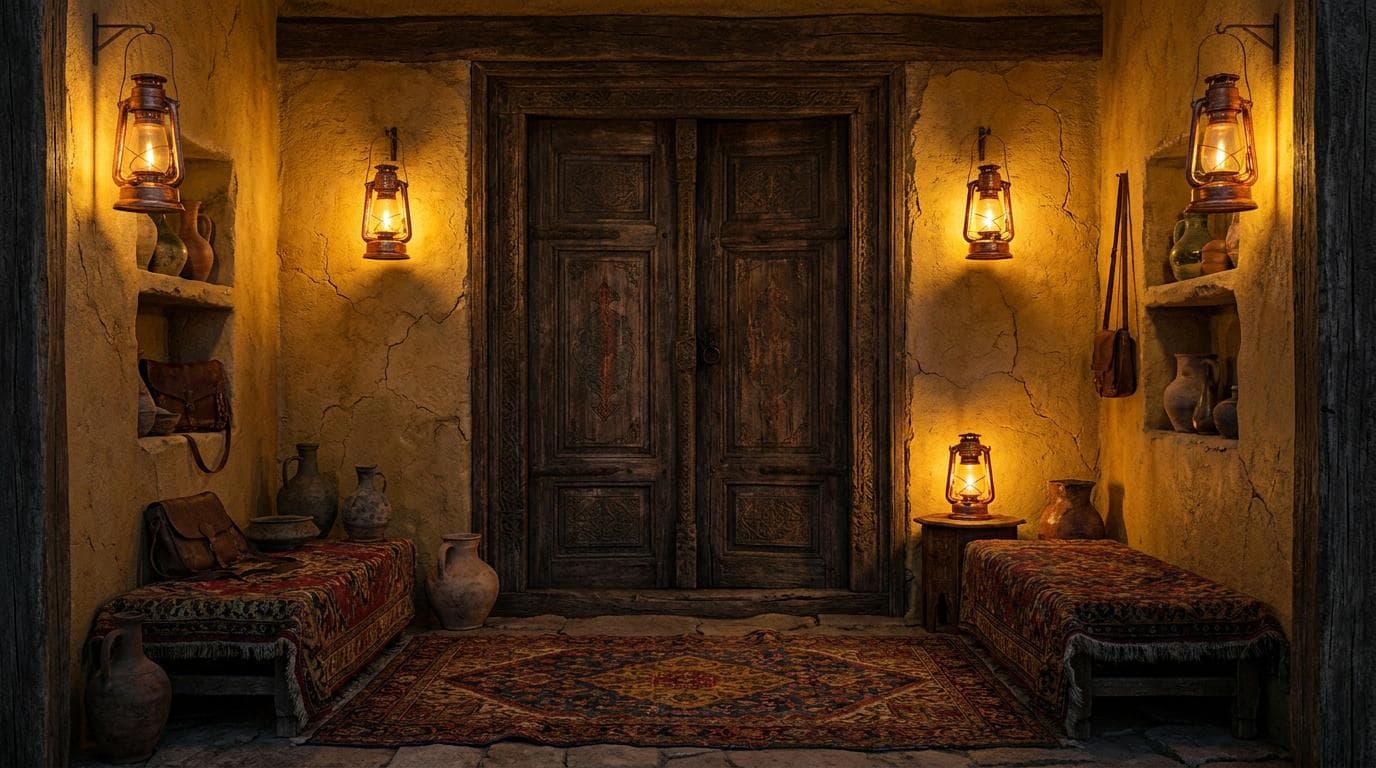
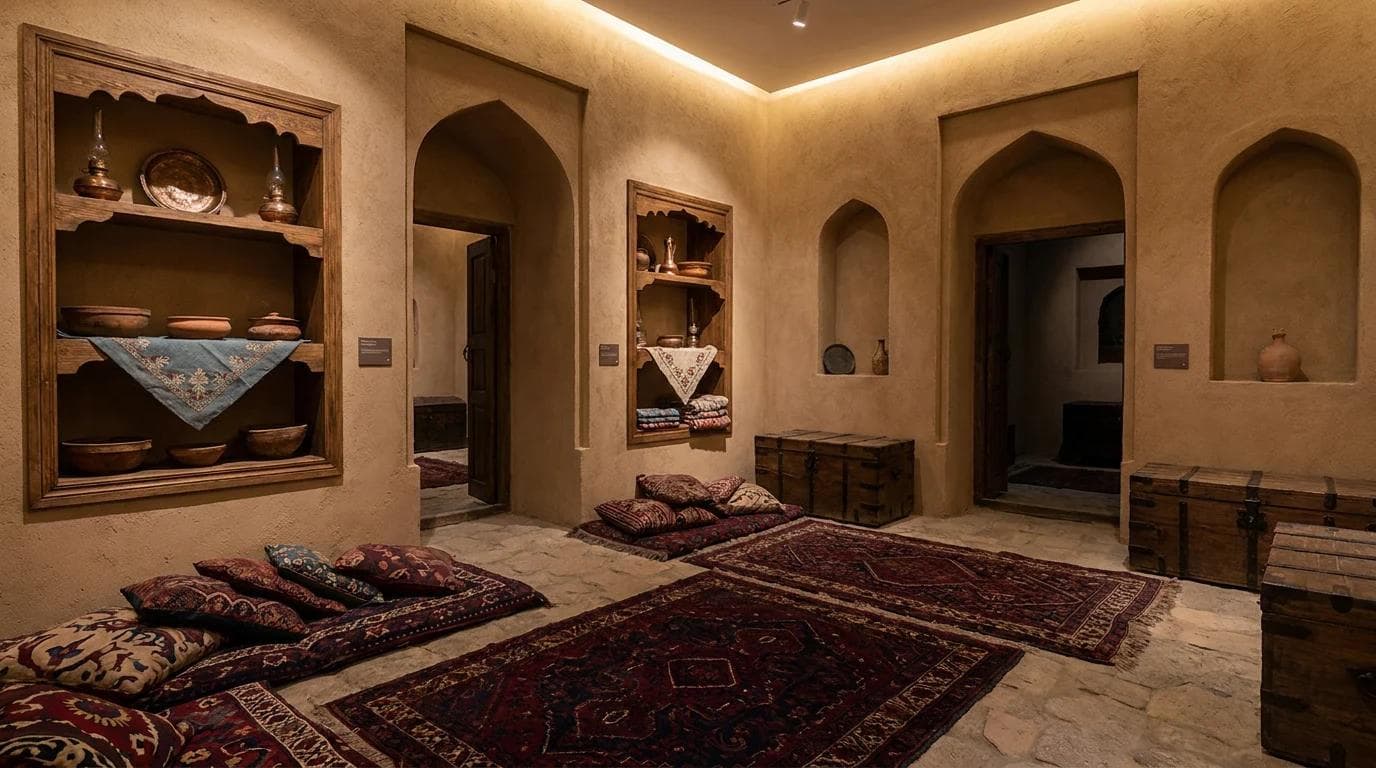
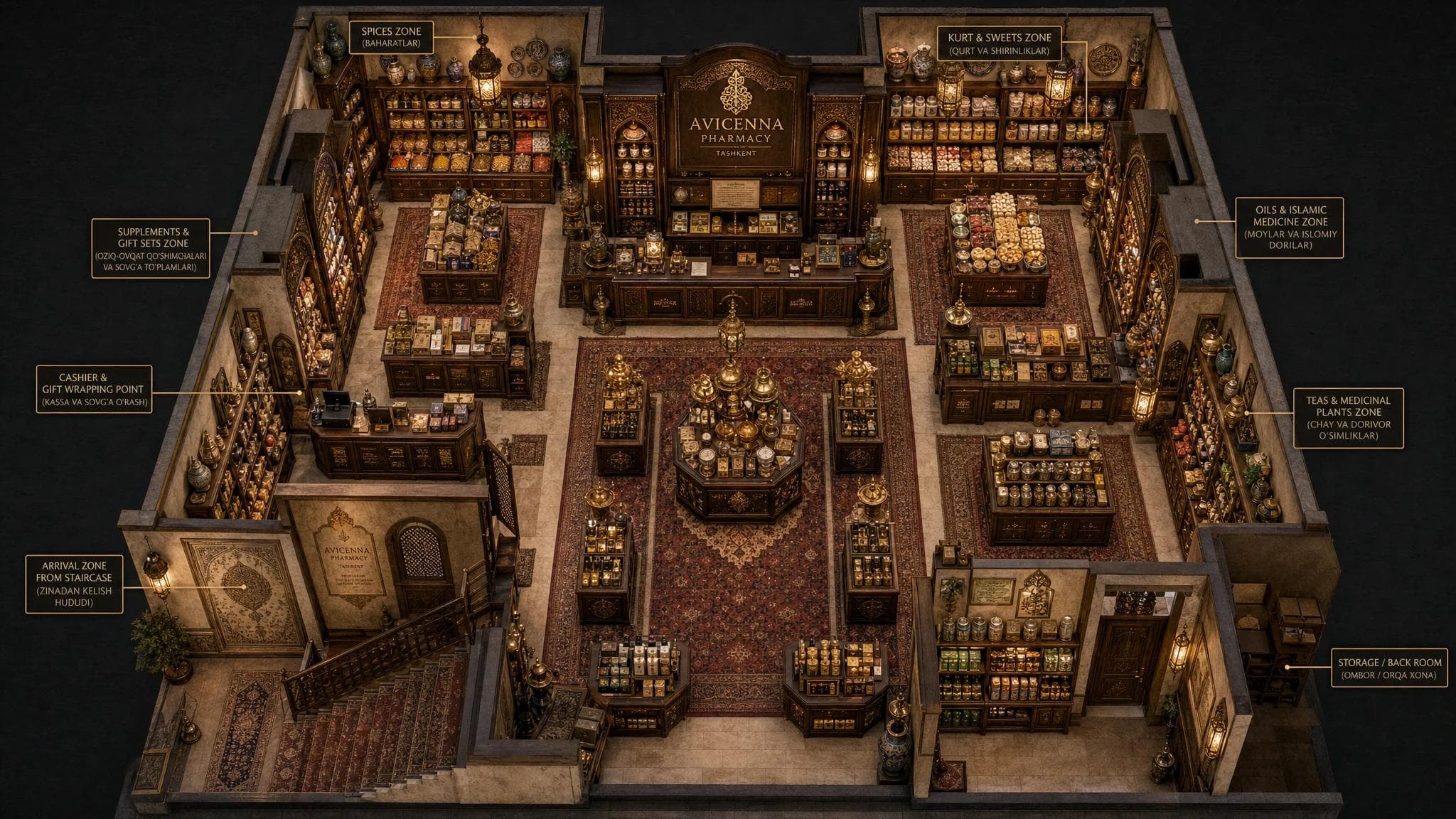
A new centre uniting the traditions of Eastern medicine with a modern space has opened to visitors, bringing a museum, pharmacy and healer consultations under one roof.
Treatment, training and a herbal bar under one roof. Prices in the open, terms made clear.
Classification of methods and standards for intake and hygiene, so every treatment follows the same safe procedure.
This direction sets how every treatment at the centre is carried out: methods are grouped by type, intake and treatment courses follow one scheme, and hygiene rules and practitioner levels are written down.
Needle therapy, electro-acupuncture, cupping, moxa (warming), ear-point therapy and herbal medicine are grouped by type, each with its indications and contraindications.
Blends are split into short-term ones for acute conditions and long-term ones for chronic conditions. A prescription usually covers 1–2 weeks, then the result is reassessed.
The first visit records a full health history, including digestion, sleep, the menstrual cycle for women and other body systems. A personal treatment plan is built from it.
A typical course is one session a week for 4–8 weeks, then sessions are spaced out. Progress is reviewed after a few sessions and the plan is adjusted if needed.
Only sterile, single-use needles are used. Before treating patients, every practitioner completes a course in safe needle handling.
Three levels: a supervising senior practitioner, a qualified tabib who treats independently, and a trainee who treats under an experienced practitioner's supervision.
Patient information is kept in a protected electronic record and shared with third parties only with the patient's written consent.
Teaching folk medicine and studying its methods scientifically.
The centre trains practitioners through hands-on courses and studies how effective and safe traditional methods are. Course prices and durations are listed openly.
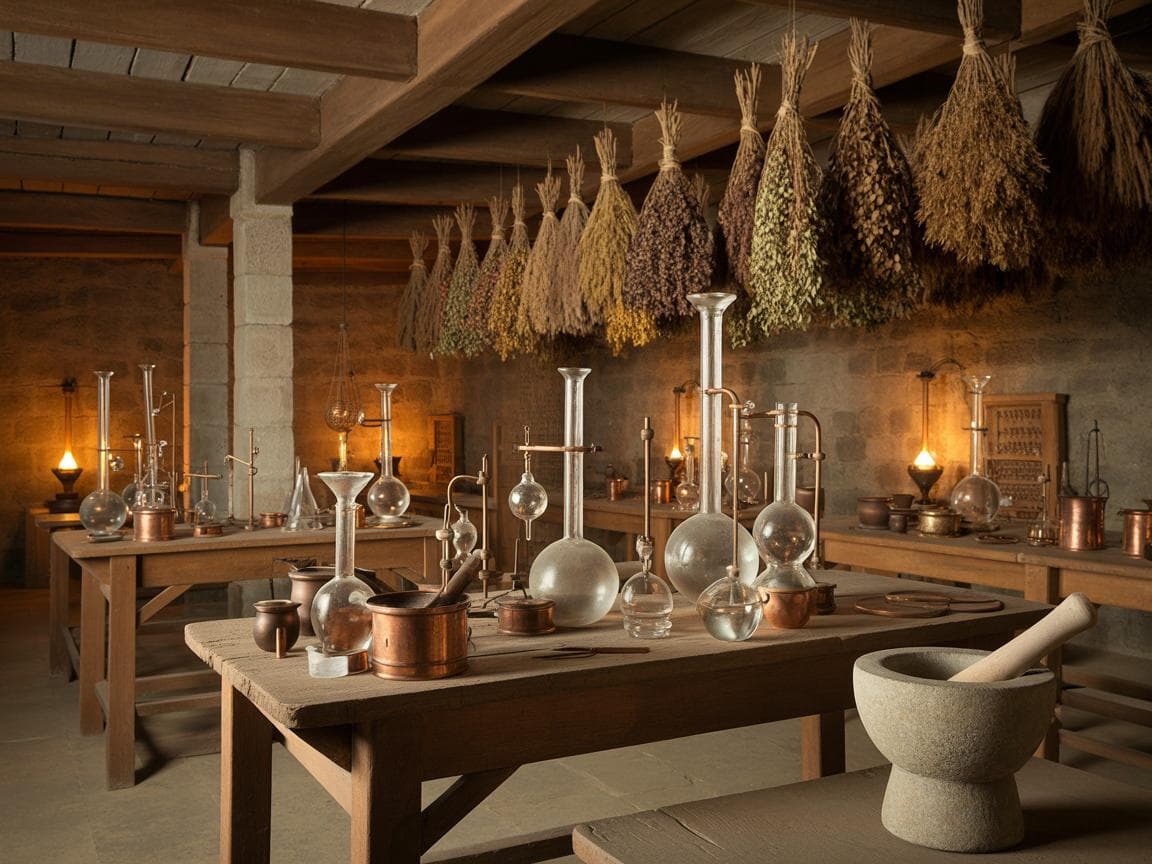
Studying the composition and effects of local medicinal plants.
Following the outcomes of hijama, phytotherapy and massage.
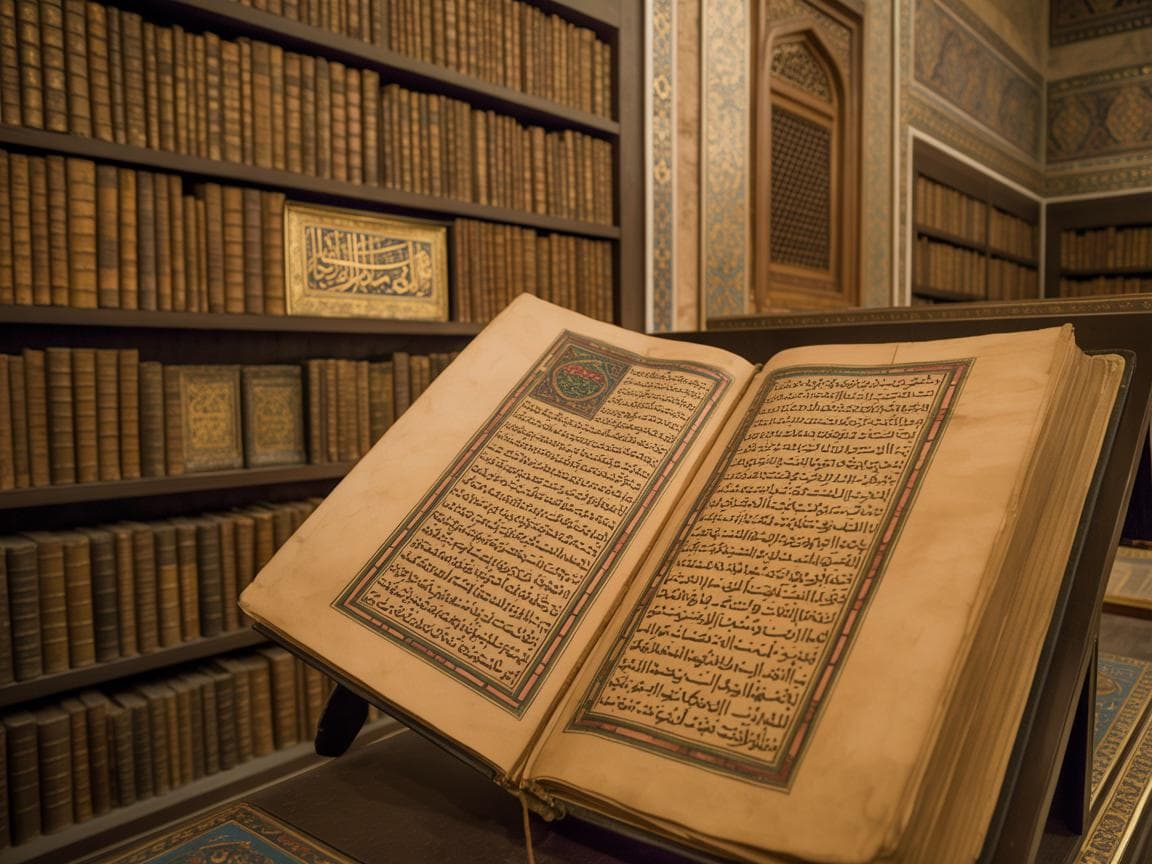
Studying the manuscripts of Ibn Sina and Eastern medicine.
Short programmes for doctors and tabibs.
| № | Course | Duration | Price |
|---|---|---|---|
| 02.1 | Fundamentals of phytotherapy Requirements: No prerequisites, beginner level | 8 weeks | 1,200,000 UZS |
| 02.2 | Cupping practice Requirements: Medical or biology background recommended | 6 weeks | 1,800,000 UZS |
| 02.3 | Aromatherapy and oils Requirements: No prerequisites | 5 weeks | 1,000,000 UZS |
| 02.4 | History of Islamic medicine Requirements: No prerequisites | 4 weeks | 800,000 UZS |
| 02.5 | Massage therapy Requirements: Physical fitness recommended | 7 weeks | 1,500,000 UZS |
| 02.6 | Pharmacy and formulation Requirements: Fundamentals of phytotherapy course recommended | 10 weeks | 2,000,000 UZS |
Bringing folk-medicine methods together with modern healthcare.
Patients receive traditional treatments at the centre under the care of qualified tabibs. Prices are known in advance; visits are booked by phone.
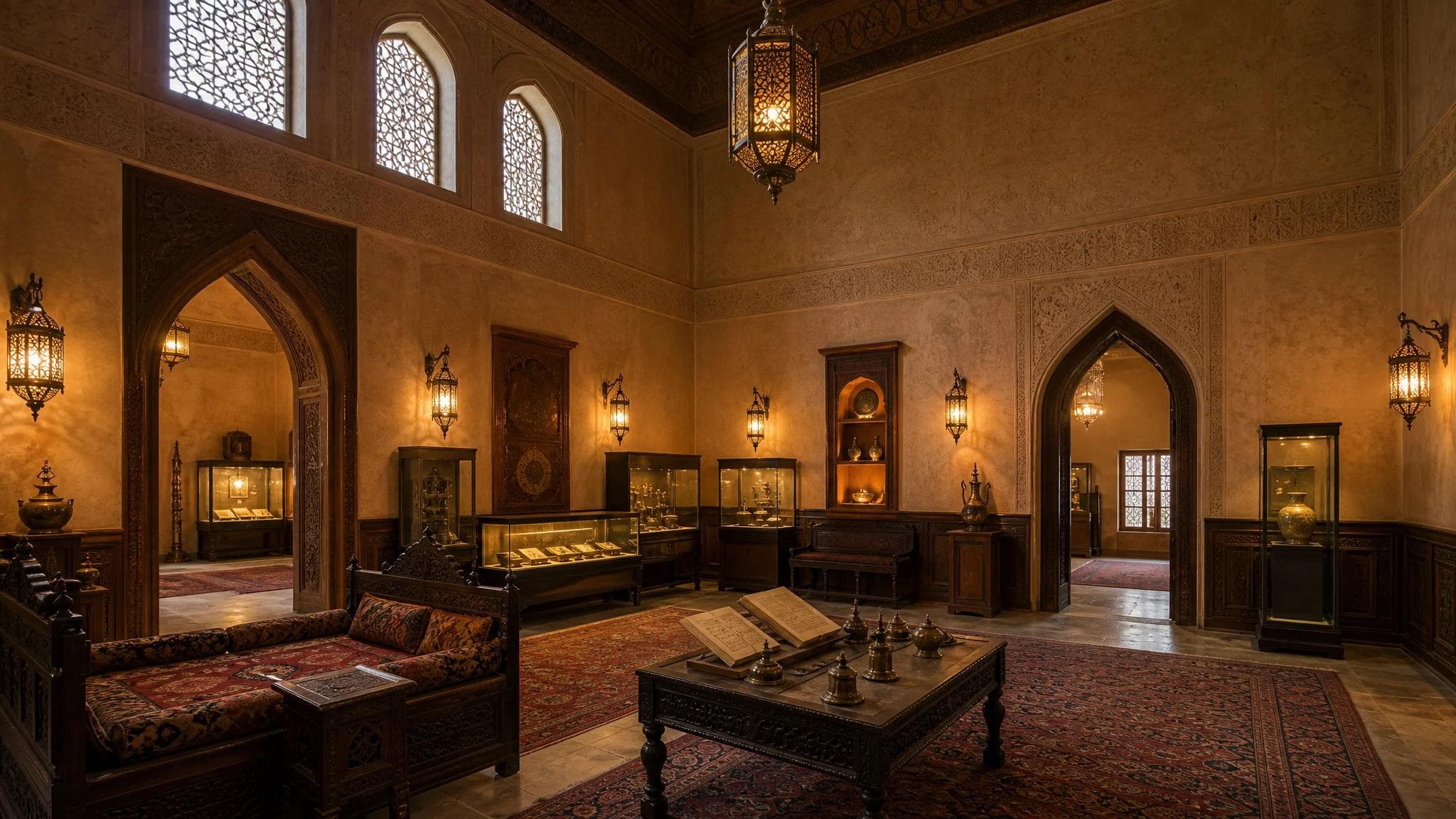
Traditional treatments delivered alongside a medical check-up.
Following patients jointly with clinics and hospitals.
Indications and contraindications set for every treatment.
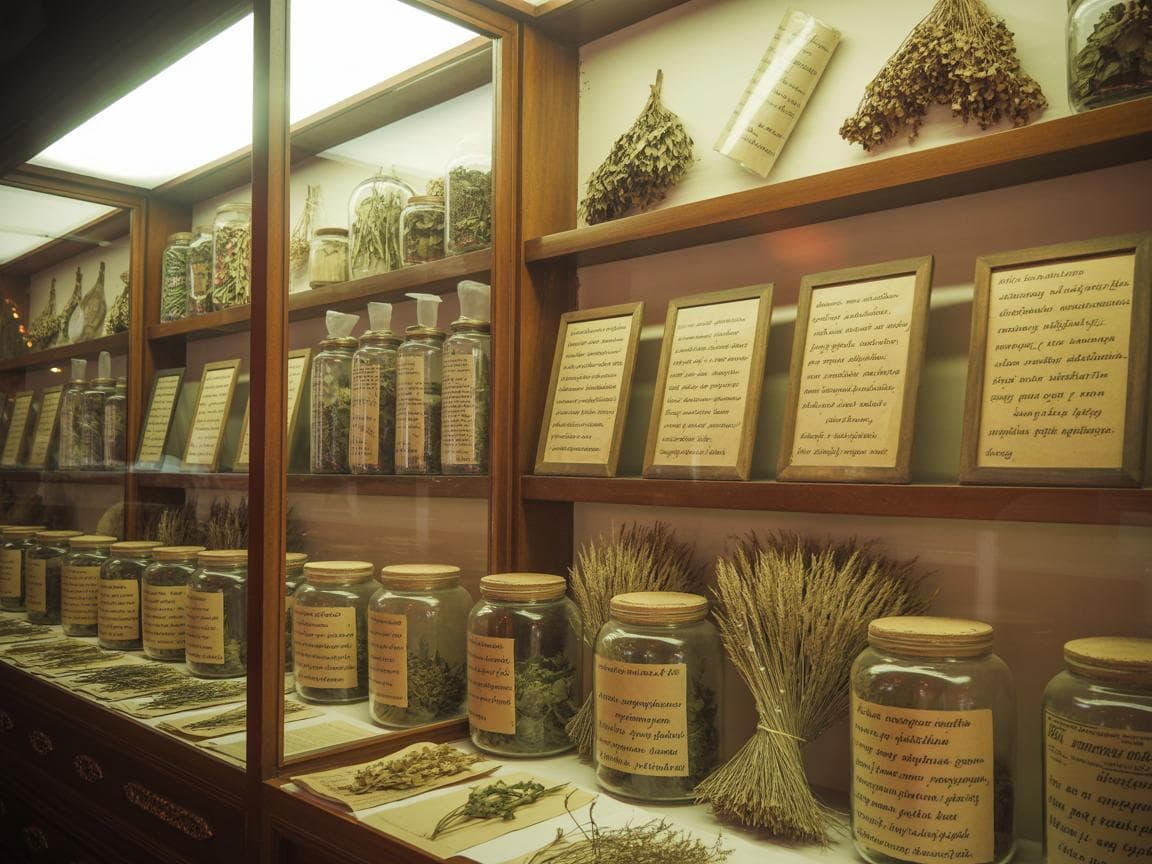
Traditional cupping therapy performed under the supervision of experienced healers in sterile conditions.
250,000 UZS
A personalised treatment programme based on medicinal herbs, with a consultation and a selection of natural blends.
180,000 UZS
A full examination and diagnosis with an Eastern-medicine specialist, followed by a tailored wellness plan.
150,000 UZS
A restorative massage using essential and plant oils prepared to traditional recipes.
220,000 UZS
We will introduce our team soon. You can book a visit by phone.
Testing and preparing medicinal plants and herbal products in the laboratory.
The laboratory checks the quality of raw materials and helps prepare Fitobar's products. Every Fitobar product is listed with its price.
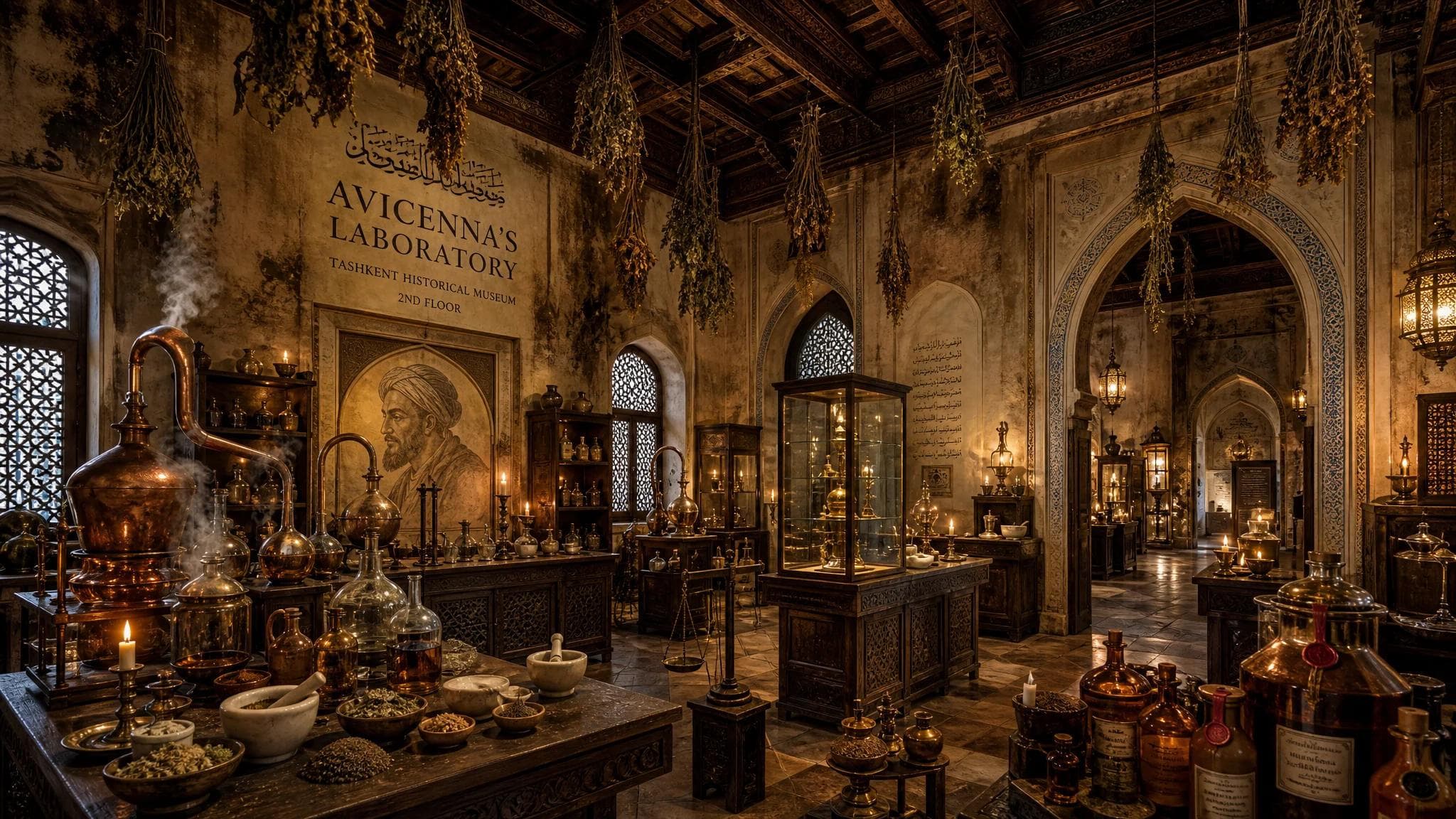
Checking medicinal plants for purity and moisture.
Measuring microbial load in teas and blends.
Preparing oils and infusions under controlled conditions.
Checking Fitobar products before they go on sale.
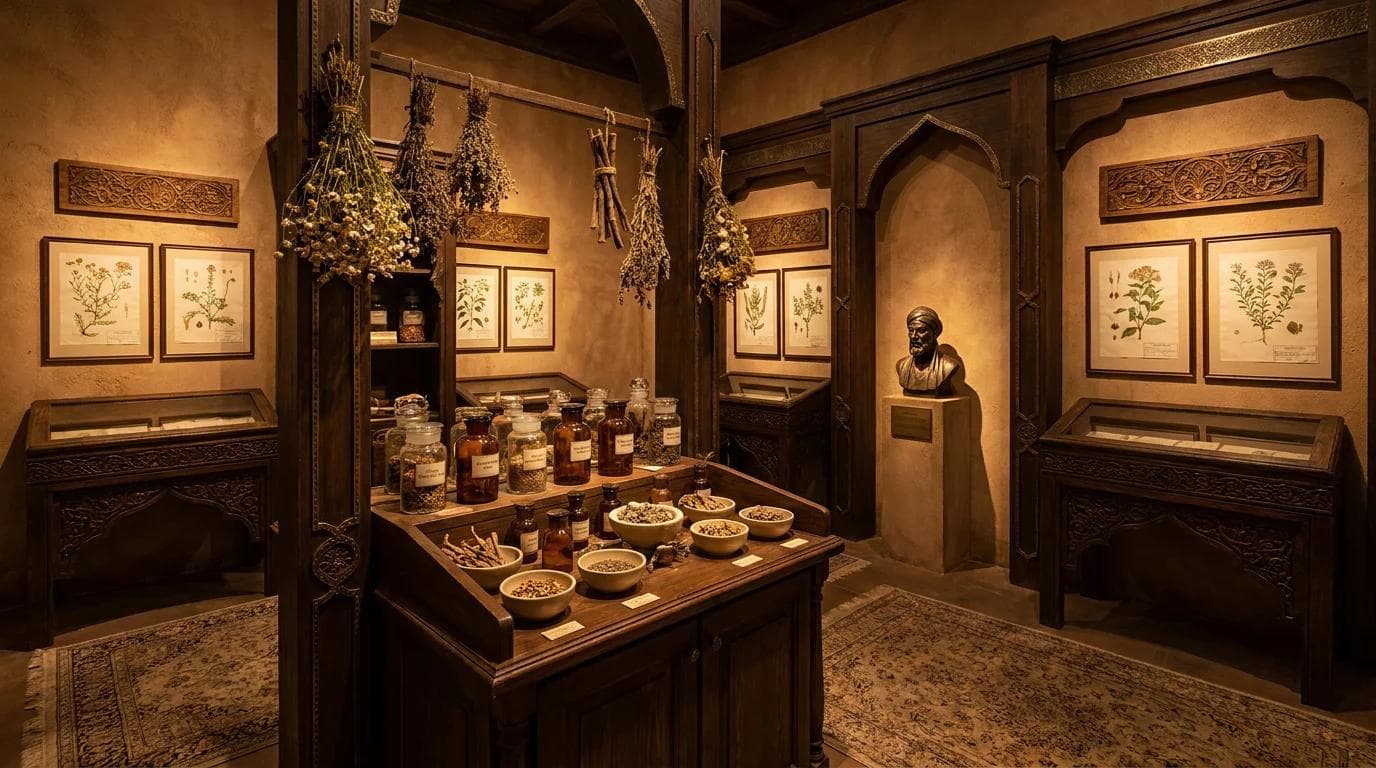
85,000 UZS
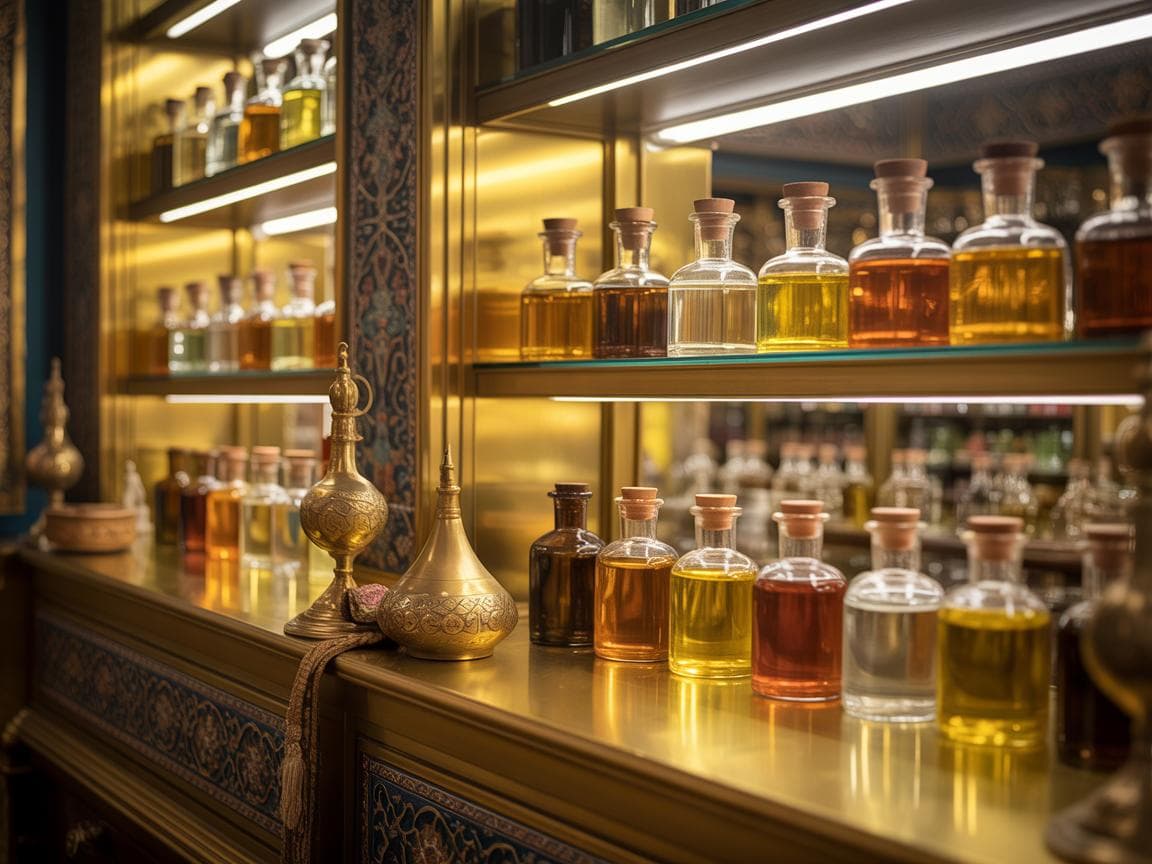
120,000 UZS
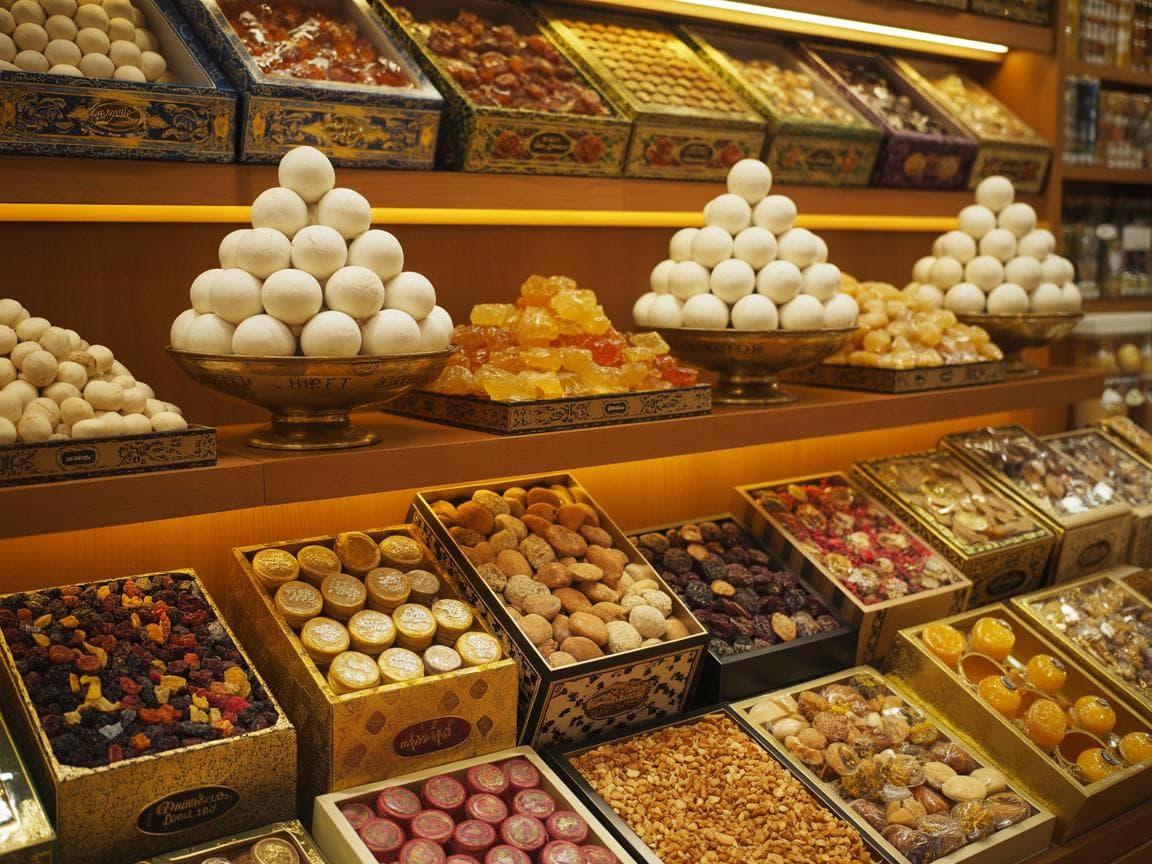
95,000 UZS
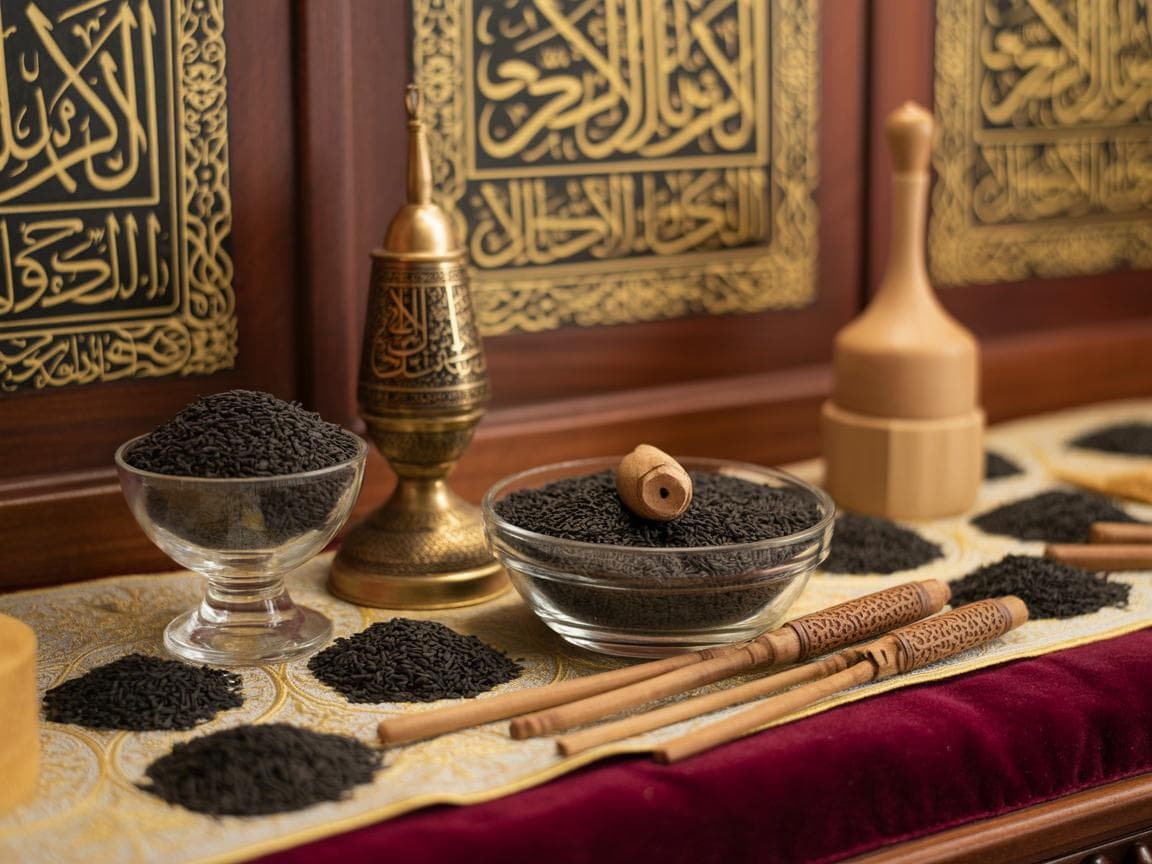
110,000 UZS
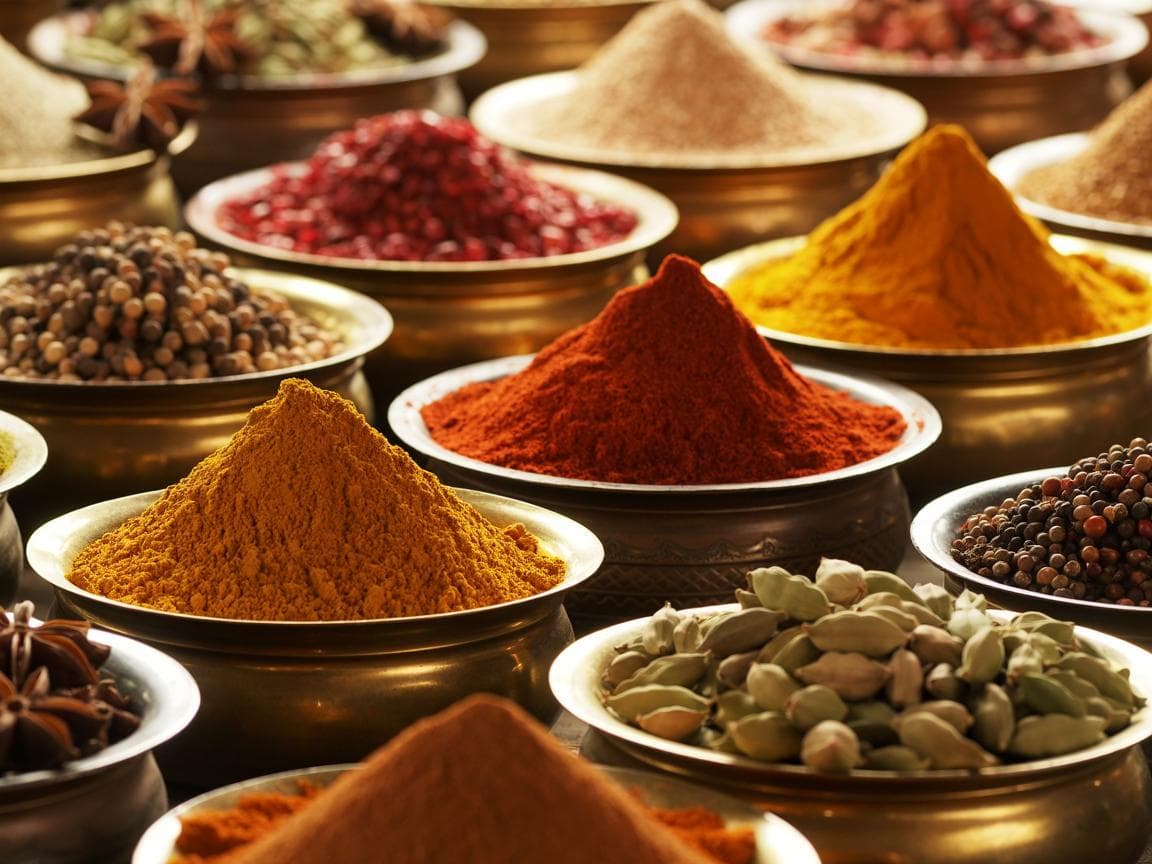
140,000 UZS
160,000 UZS
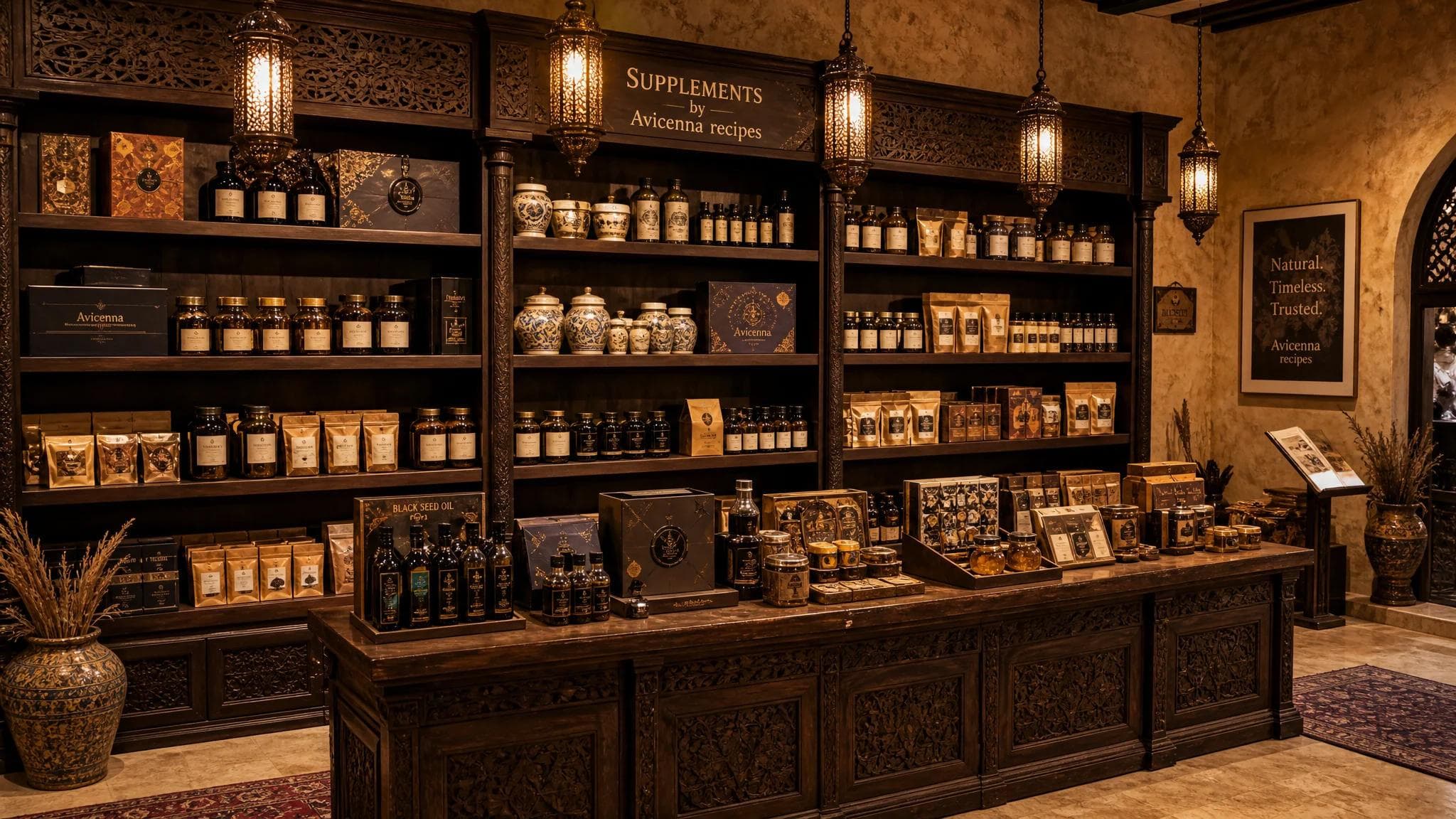
Product images are concept visualisations; packaging and appearance may differ.
Cooperation and exchange of experience with folk-medicine centres abroad.
This direction builds the centre's international ties: joint research, professional development and taking part in international conferences.
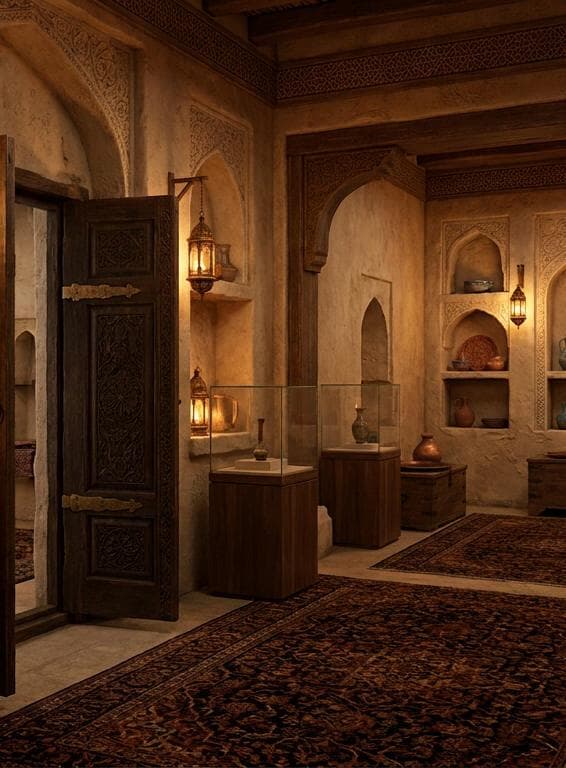
Exchange visits with specialists from traditional-medicine centres abroad.
Collaborative research projects on medicinal plants.
Taking part in and hosting international conferences.
Courses for students from abroad.
The documents that govern the centre's work, and drafting them.
This direction follows legislation on folk medicine, prepares the centre's internal documents and takes part in drafting new regulations.
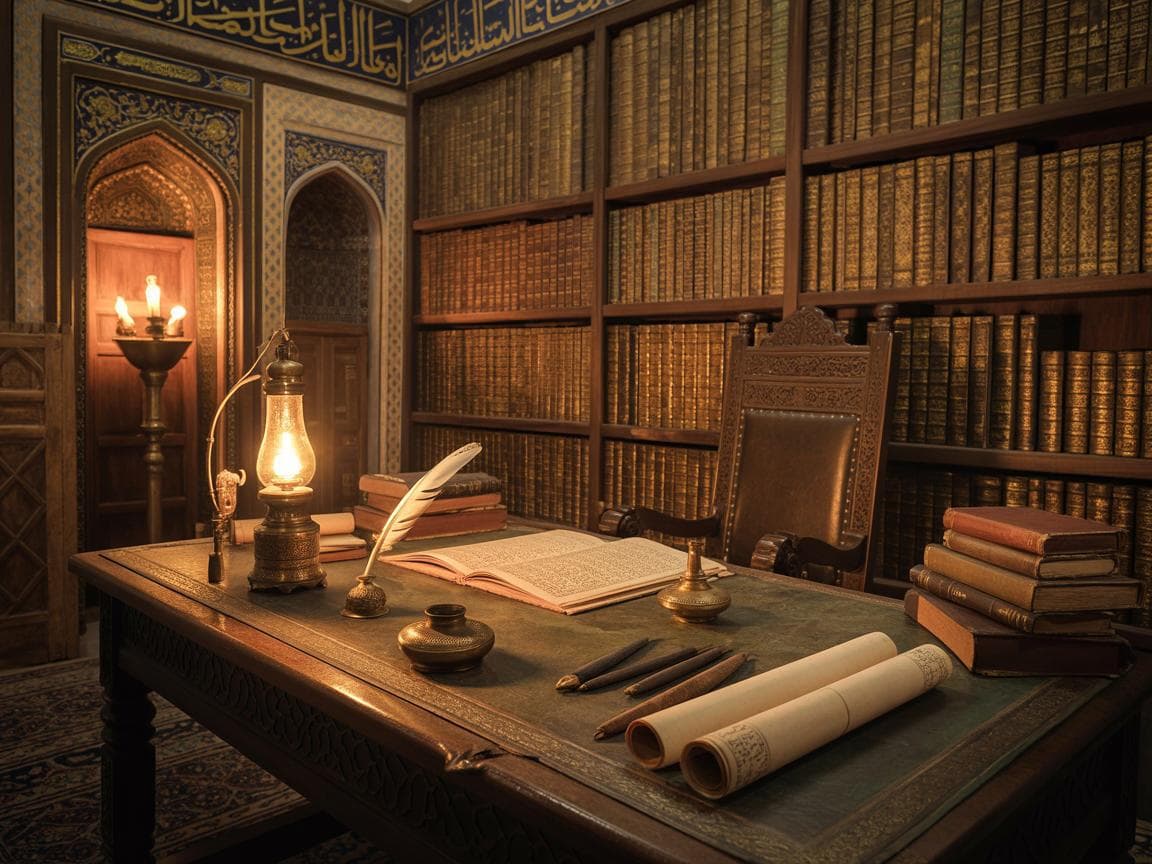
Following documents on healthcare and folk medicine.
Taking part in preparing new draft regulations.
Guidance for practitioners on licensing and working procedures.
The latest from the centre.
11–13-noyabr kunlari koreyalik shifokorlar tomonidan xalqaro tibbiy yordam aksiyasi tashkil etiladi. Akupunktura, hijoma, manual terapiya, fizioterapiya va boshqa davolash usullari taqdim etiladi.
Call us or visit the centre.